Connecticut’s seasonal moisture rhythm
In Connecticut, weather swings drive moisture indoors. Wet springs, humid summers, and freeze-thaw cycles in winter all affect how moisture moves through a home. Across the state, restoration specialists see similar patterns and offer practical steps to stay ahead of problems before they start.
The goal is to keep humidity balanced, prevent condensation on cool surfaces, and manage any leaks quickly. A proactive approach helps long-term durability and air quality in homes from the panhandle to the border towns.
Seasonal checks you can do
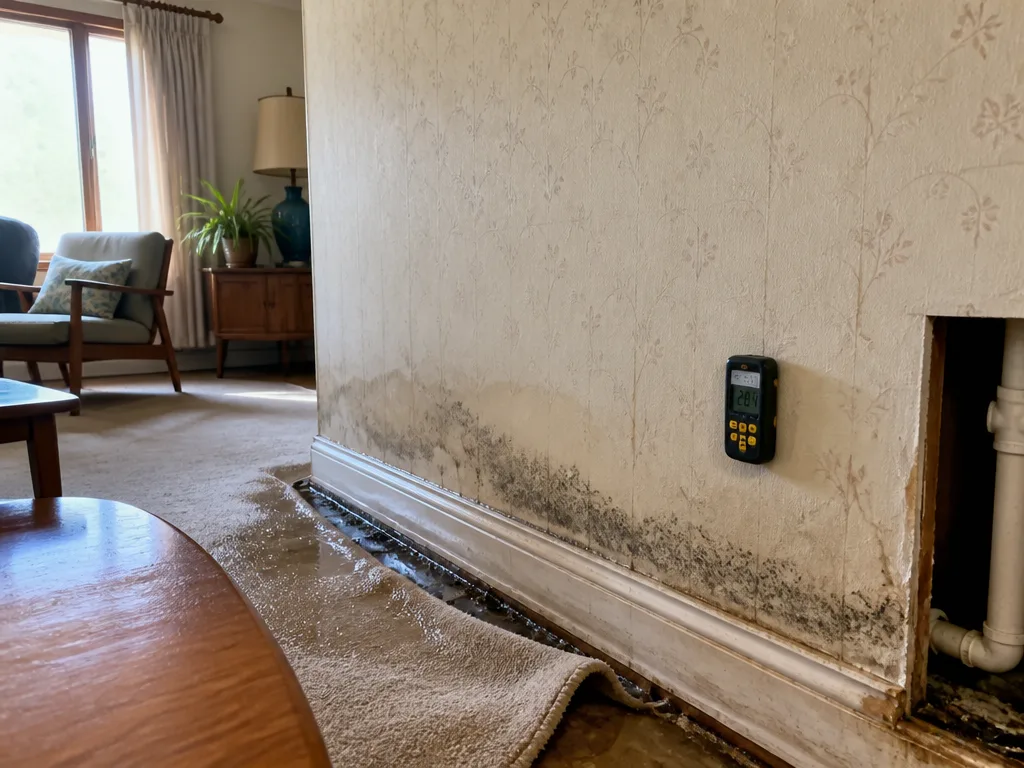
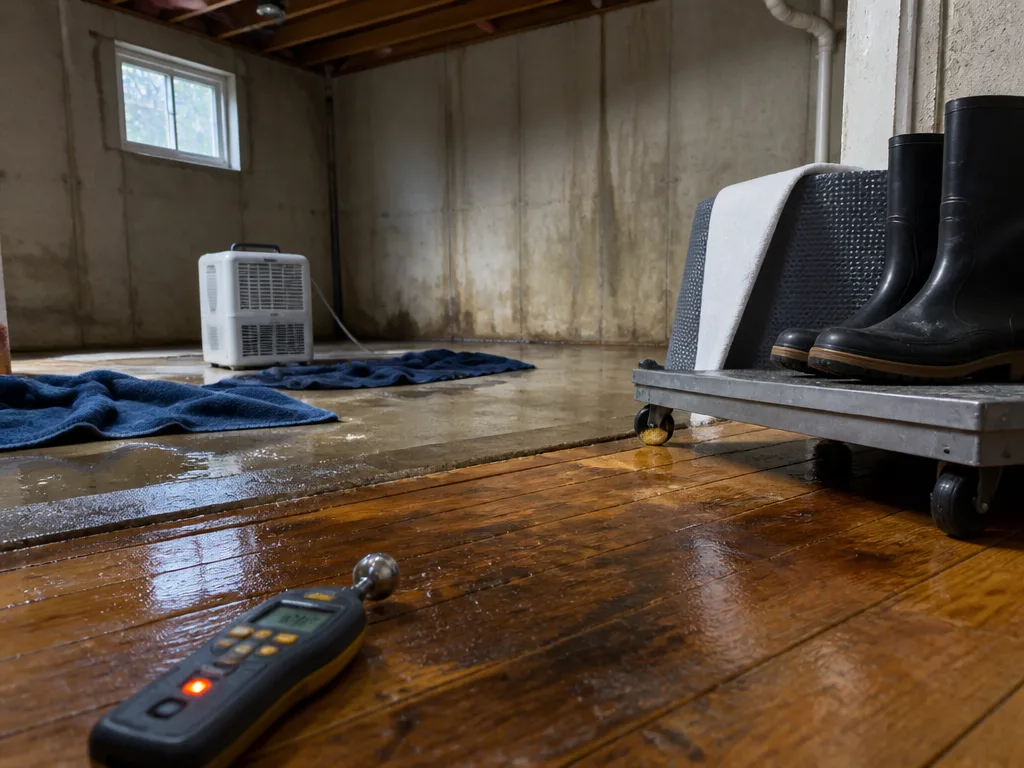
Spring and fall are ideal times for a moisture check. Look for damp spots on walls, musty smells, or peeling paint. After heavy rain or rapid snowmelt, inspect basements and crawl spaces. In winter, monitor for condensation on windows and temperature differences between rooms, which can indicate hidden moisture in walls or framing.
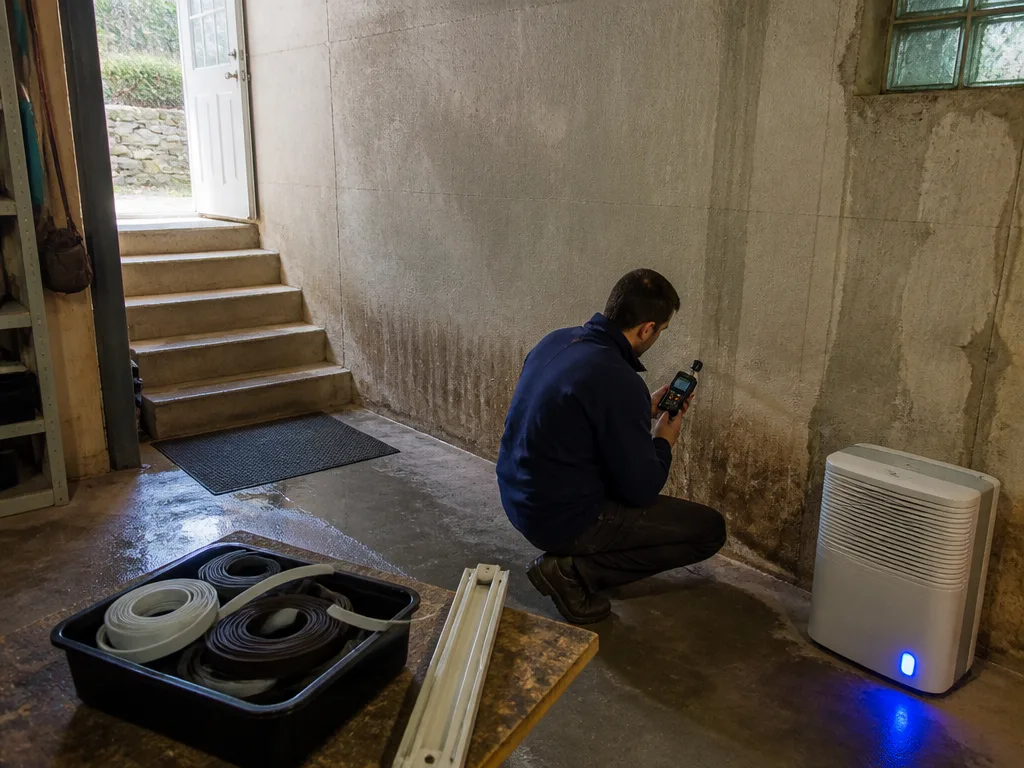
In summer, humidity tends to rise. Use dehumidifiers in damp spaces and vent bathrooms and laundry areas properly. A simple humidity gauge can help you keep indoor moisture in a healthy range.
Connecticut-wide maintenance plan
Schedule a periodic assessment with a restoration specialist to map moisture risks across the home. Our crews in every Connecticut metro area can tailor a plan that fits your home’s layout and climate exposure. Regular checks catch issues before they escalate, especially after seasonal storms or rapid weather changes.
Beyond inspections, focus on drainage and grading around the foundation, clear gutters, and fix leaks promptly. Small steps now save bigger repairs later and keep indoor air quality steady through all seasons.
Seasonal quick-start checklist
- Test a humidity gauge in living spaces and basements.
- Inspect exterior drainage and ensure downspouts direct water away from the foundation.
- Address any leaks in roofing, siding, or plumbing promptly with a restoration specialist’s guidance.