A typical scenario in Connecticut homes
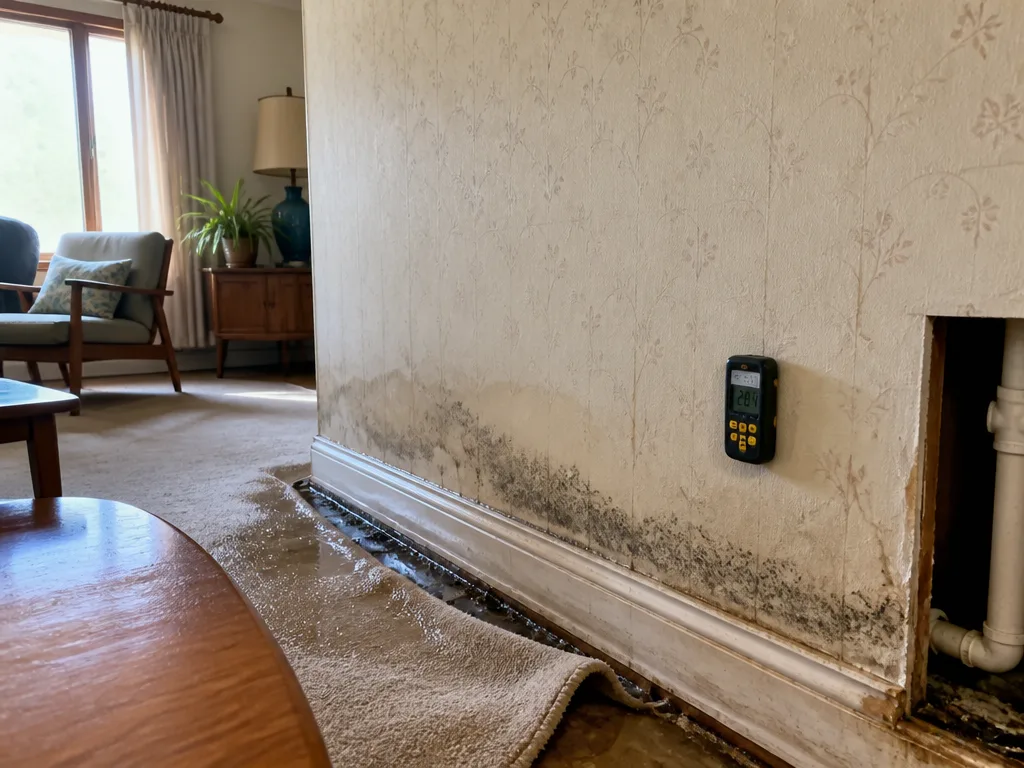
Imagine a steady rainstorm leads to damp walls in a lower level. Drywall softens, a musty odor appears, and the humidity climbs. It’s a common situation across Connecticut and one where the right steps matter. A restoration specialist can determine where moisture travels and what materials need to be dried, repaired, or replaced.
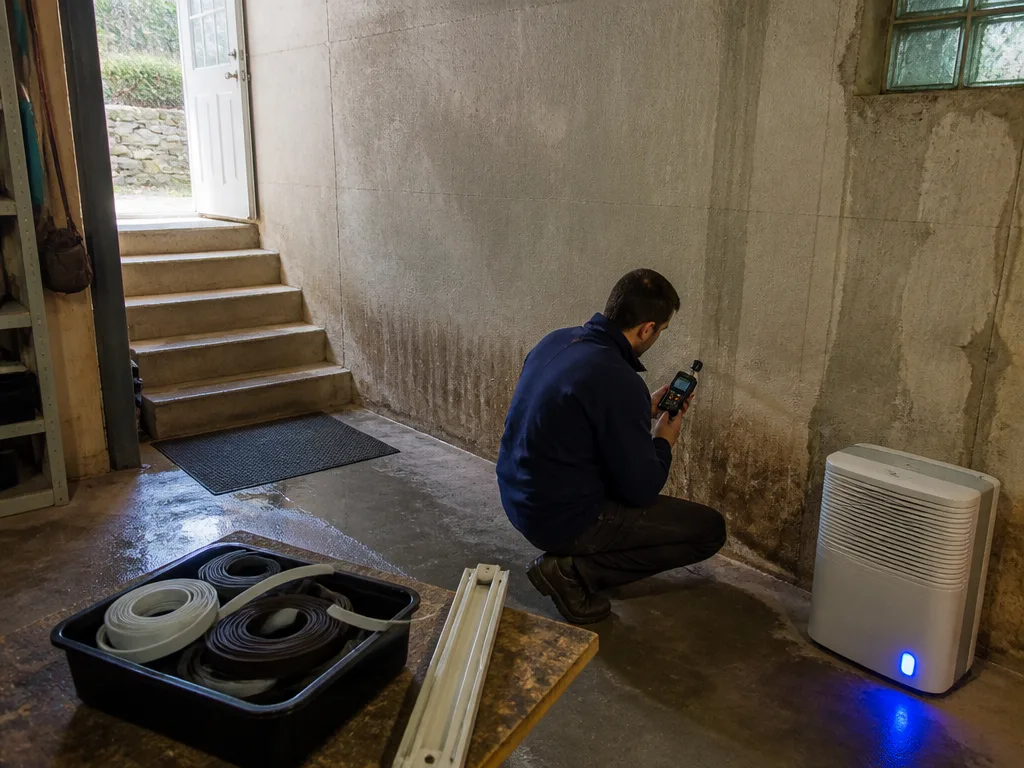
DIY remedies might help with surface dryness, but hidden moisture behind walls often requires professional equipment and careful planning. Restoration specialists bring meters, drying equipment, moisture mapping, and proven strategies to prevent mold growth and structural damage.
DIY steps you can safely take now
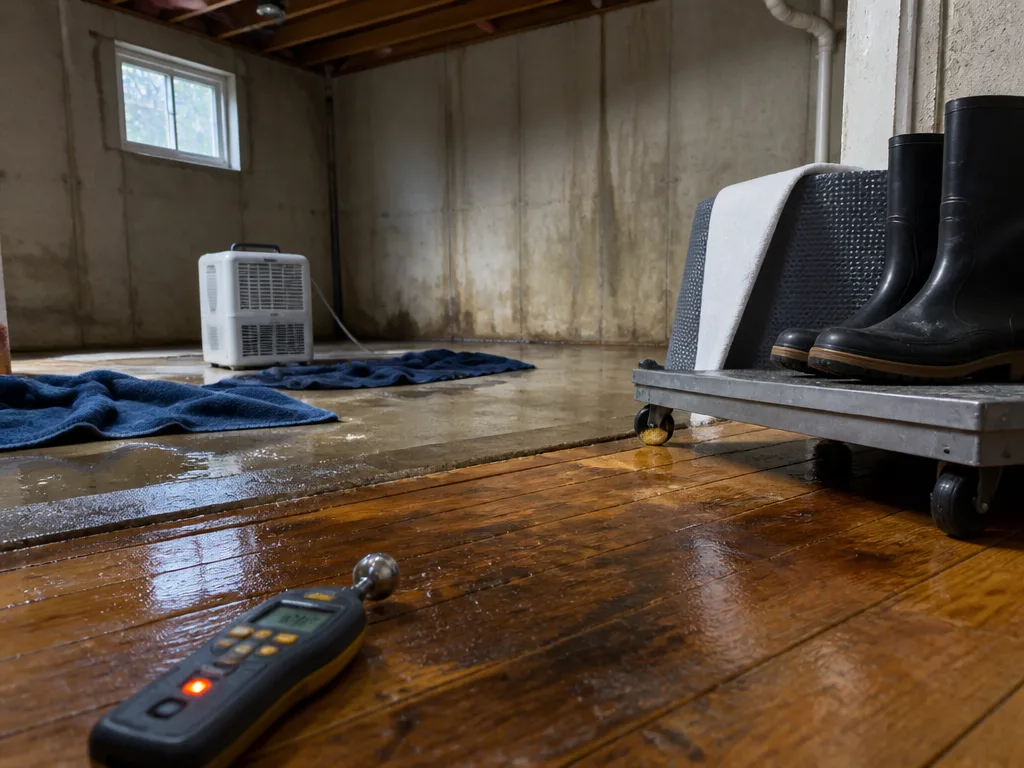
Before calling a pro, you can take steps that don’t substitute for professional testing but can reduce immediate risk. Remove standing water if it’s safe, ventilate with windows if exterior conditions permit, and move delicate items away from the affected area. Document the scene with photos for your records and for the restoration specialist’s review.
Keep in mind that DIY projects can disrupt moisture balance or push water into other rooms. Narrow down what you can safely handle and seek professional help for the rest.
Why call a restoration specialist
A restoration specialist offers a structured inspection, moisture mapping, and a plan tailored to Connecticut homes. They determine the exact drying approach, monitor progress, and coordinate any necessary remediation so you’re not guessing about what to do next. This is especially important in homes with multiple levels or complex layouts where hidden moisture is easy to miss.
What to expect from a pro evaluation
Expect a clear explanation of findings, a prioritized work plan, and a realistic timeline. Our crews in Connecticut work across the state, aiming to minimize disruption while securing the home’s structure and indoor air quality. There’s no obligation to proceed after the initial evaluation, but you’ll have a precise path forward if you choose to move ahead.
Key questions to ask a restoration specialist
- What areas will be inspected for moisture and mold risk?
- What drying equipment will be used and for how long?
- What are the expected costs and next steps if remediation is needed?